
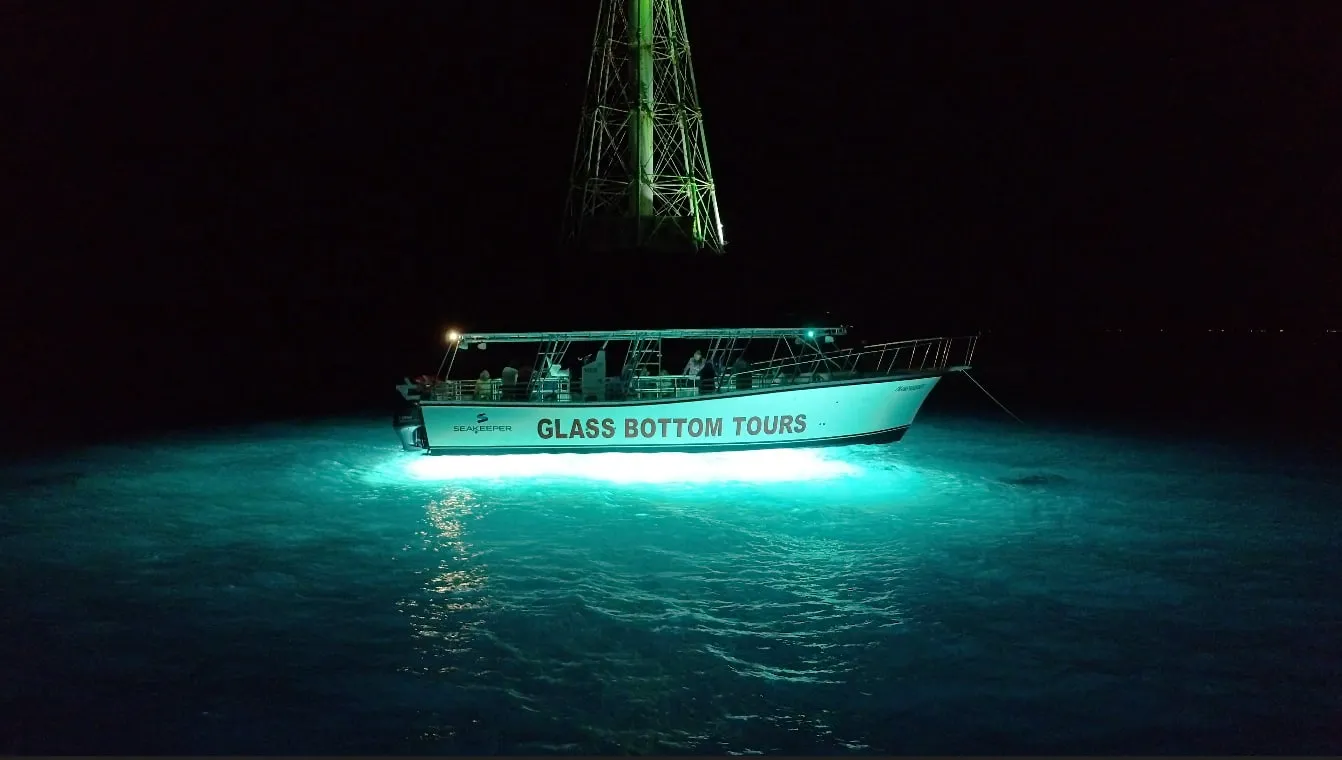
Explore 7 Nocturnal Creatures on Florida Keys Reefs with Glass Bottom Boat Tours
The Florida Keys are renowned for their vibrant marine life, but the underwater world transforms dramatically after dark. Nighttime reveals a unique array of creatures that are rarely seen during the day, making it an exciting time for marine enthusiasts. This article explores seven fascinating nocturnal species that can be observed on Florida Keys reefs, including nurse sharks and moray eels. Readers will learn about the behaviors and ecological significance of these creatures, as well as how Glass Bottom Boat Tours provide an unparalleled viewing experience. Many adventurers seek to understand the importance of these nocturnal species and the role they play in the ecosystem. This guide will cover the unique experiences offered by these tours, the technology that enables viewing, and essential safety and conservation practices.
7 Creatures You Can Only See After Dark
The Florida Keys are home to a variety of nocturnal marine life that becomes active after sunset. Here are seven creatures you can expect to see during your nighttime adventures:
- Nurse Sharks: These gentle predators are known for their unique behavior of resting on the ocean floor during the day and becoming more active at night, hunting for fish and crustaceans.
- Moray Eels: With their elongated bodies and sharp teeth, moray eels are fascinating to observe as they hunt in the crevices of coral reefs, often emerging from their hiding spots at night.
- Octopus: Known for their intelligence and ability to change color, octopuses are elusive creatures that can be spotted hunting for prey in the dark waters.
- Lionfish: This invasive species is more active at night, using their venomous spines to capture unsuspecting prey.
- Tarpon: These large fish are known for their acrobatic leaps and can often be seen swimming near the surface at night, feeding on smaller fish.
- Sea Turtles: While they are primarily diurnal, some species of sea turtles can be seen foraging for food at night, making them a rare sight.
- Bioluminescent Organisms: Various species of plankton and jellyfish emit light in the dark, creating a magical underwater glow that can be witnessed during night tours.
These creatures play vital roles in the marine ecosystem, contributing to the balance of predator and prey dynamics.
The Experience Offered
Glass Bottom Boat Tours provide a unique opportunity to explore the underwater world of the Florida Keys at night. These tours are designed to be family-friendly, ensuring that adventurers of all ages can enjoy the experience. The boats are equipped with comfortable seating and educational narration, making it easy to learn about the marine life observed during the tour.
The tours typically begin just after sunset, allowing participants to witness the transition from day to night in the ocean. The use of underwater lights enhances visibility, illuminating the reef and attracting various nocturnal species. This setup not only provides a comfortable viewing experience but also ensures that guests can appreciate the beauty of the marine environment without disturbing the wildlife.
Ecological Significance of Nighttime Reef Life
Nocturnal marine life plays a crucial role in maintaining the health of coral reef ecosystems. These species contribute to the balance of the food web, with predators like nurse sharks and moray eels controlling the populations of smaller fish and invertebrates. Additionally, the activities of nocturnal creatures can influence the growth and health of coral reefs.
Understanding the daily activity patterns of reef predators and their prey is crucial for comprehending the dynamics of these complex ecosystems.
Diel Activity Patterns of Coral Reef Predators
Few studies have documented the activity patterns of both predators and their common prey over 24 h diel cycles. This study documents the temporal periodicity of two common resident predators of juvenile reef fishes,Cephalopholis cyanostigma(rockcod) andPseudochromis fuscus(dottyback) and compares these to the activity and foraging pattern of a common prey species, juvenilePomacentrus moluccensis(lemon damselfish). Detailed observations of activity in the field and using 24 h infrared video in the laboratory revealed that the two predators had very different activity patterns.
Temporal links in daily activity patterns between coral reef predators and their prey, MI McCormick, 2014
Bioluminescent organisms, for instance, are not only mesmerizing to observe but also serve as a food source for larger marine animals. Understanding the ecological significance of these species highlights the importance of conservation efforts aimed at protecting their habitats.
What Are the Key Features of Nurse Sharks at Night?
Nurse sharks are particularly interesting to observe at night due to their unique behavioral patterns. These sharks are known for their docile nature and often rest on the ocean floor during the day. At night, however, they become more active, using their keen sense of smell to hunt for prey.
Despite their common presence, the specific biology and accurate size of nurse sharks in Florida and the Caribbean have often been subject to misconceptions.
Florida Nurse Shark Biology & Size
The nurse shark is an extremely abundant shallow water species in Florida and the Caribbean, yet its biology is poorly known. Moreover, there is a great deal of misinformation about it in the literature. The maximum size and weight attained by the nurse shark have often been exaggerated. None of the specimens measured in this study exceeded 265 cm TL and 114.5 kg, and none of the specimens actually measured by other researchers exceeded 280 cm.
The biology of the nurse shark, Ginglymostoma cirratum, off the Florida east coast and the Bahama Islands, 2000
Their physical characteristics, such as their flattened bodies and large mouths, make them well-adapted for bottom-feeding. Nurse sharks primarily feed on fish, crustaceans, and mollusks, employing a suction feeding technique to capture their prey. This behavior is essential for maintaining the balance of the reef ecosystem, as it helps control the populations of various marine species.
Further research sheds light on the specific foraging behaviors and ecological contributions of nurse sharks.
Nurse Shark Foraging Behavior & Reef Ecology
The nurse shark (Ginglymostoma cirratum) is a large, widely distributed shark species which is commonly associated with tropical and subtropical reefs worldwide; yet it remains vastly understudied relative to other large species. To advance our understanding of nurse shark behaviour and ecology, we used opportunistic video observations gathered throughout the islands of Turks and Caicos from September 2020 to April 2021. We made 233 observations from 78 camera deployments and identified five behaviours, four of which were attributed to foraging.
Opportunistic camera surveys provide insight into discrete foraging behaviours in nurse sharks (Ginglymostoma cirratum), PD Doherty, 2023
How Do Moray Eels Behave on Florida Reefs After Dark?
Moray eels exhibit fascinating behaviors during the night, making them a highlight of nighttime reef tours. These eels are primarily nocturnal hunters, emerging from their crevices to search for food. Their keen eyesight and sense of smell allow them to navigate the dark waters effectively.
Moray eels are known for their unique hunting strategies, which often involve ambushing prey from their hiding spots. They have a symbiotic relationship with cleaner fish, which help remove parasites from their skin. Observing these interactions can provide valuable insights into the complex relationships within the reef ecosystem.
How Do Glass Bottom Boat Tours Reveal Florida Keys Night Marine Life?
Glass Bottom Boat Tours utilize advanced technology to enhance the viewing experience of nocturnal marine life. The boats are equipped with underwater LED lights that illuminate the reef, attracting various species and making them visible to guests. This technology allows for a clear view of the vibrant marine life without disturbing their natural behaviors.
The educational narration provided during the tours adds depth to the experience, as guides share insights about the species observed and their ecological roles. This combination of technology and education creates a memorable experience for participants, fostering a greater appreciation for marine conservation.
What Technology Enables Viewing of Nocturnal Reef Creatures?
The technology used in Glass Bottom Boat Tours is essential for providing an optimal viewing experience. Underwater LED lighting is a key component, as it enhances visibility and attracts marine life. This lighting is designed to minimize disturbance to the creatures while maximizing the viewing potential for guests.
Additionally, stabilization technology ensures a smooth ride, allowing for clear views of the underwater environment. This combination of technology not only enhances the experience but also promotes safety during nighttime excursions.
Why Choose Glass Bottom Tours for Family-Friendly Night Reef Exploration?
Glass Bottom Boat Tours are an excellent choice for families looking to explore the underwater world of the Florida Keys. The tours are designed to be accessible for all ages, with comfortable seating and educational content that engages both children and adults.
Safety is a top priority, with measures in place to ensure a secure experience for all participants. The knowledgeable guides provide insights into the marine life observed, making the tour both educational and entertaining. This family-friendly approach makes it an ideal option for those seeking a unique nighttime adventure.
What Should You Know About Safety and Conservation on Florida Keys Night Reef Tours?
Safety and conservation are paramount during nighttime reef tours. Participants receive safety briefings before embarking on their adventure, ensuring they understand the guidelines for wildlife viewing. These briefings emphasize the importance of respecting marine life and their habitats.
Conservation efforts are also a focus of the tours, with guides sharing information about the ecological significance of the species observed. By promoting awareness and understanding, these tours contribute to the ongoing efforts to protect the delicate ecosystems of the Florida Keys.
How Do Tours Promote Reef Conservation and Eco-Friendly Practices?
Glass Bottom Boat Tours actively promote reef conservation through educational initiatives and eco-friendly practices. The tours emphasize the importance of preserving marine habitats and the species that inhabit them.
A portion of the proceeds from the tours often goes towards funding conservation projects aimed at protecting coral reefs and marine life. This commitment to sustainability not only enhances the experience for participants but also contributes to the long-term health of the ecosystem.
What Safety Measures Are in Place for Nighttime Reef Viewing?
Safety measures are crucial for ensuring a secure experience during nighttime reef viewing. The boats are equipped with stabilization technology to minimize movement, providing a comfortable viewing experience.
Guides conduct thorough safety briefings before the tour, outlining the necessary precautions and guidelines for wildlife viewing. Weather monitoring is also in place to ensure safe conditions for all participants, allowing for a worry-free adventure.
How Can You Book Your Florida Keys Night Glass Bottom Boat Tour?
Booking a Glass Bottom Boat Tour is a straightforward process. Interested participants can contact the tour provider directly to inquire about availability and pricing. The tours typically run during peak seasons, so early booking is recommended to secure a spot.
Pricing details vary based on the tour duration and group size, making it accessible for families and individuals alike. For more information, potential guests can reach out via email at info@glassbottomtour.com or call (305) 214-5277.
What Are the Best Times and Prices for Night Reef Tours?
The best times for night reef tours are typically just after sunset, allowing participants to witness the transition from day to night. Pricing for these tours varies, with options available to accommodate different budgets.
Tour durations can range from one to two hours, providing ample time to explore the underwater world. It is advisable to check with the tour provider for specific pricing details and availability during peak seasons.
How to Prepare for Your Nighttime Marine Life Adventure?
Preparing for a nighttime marine life adventure involves a few essential steps. Participants should dress appropriately for the weather, wearing layers if necessary. Comfortable shoes are recommended, as guests may need to move around the boat.
Additionally, bringing a camera is encouraged to capture the stunning sights of nocturnal marine life. It is also advisable to follow any guidelines provided by the tour operator to ensure a safe and enjoyable experience.