
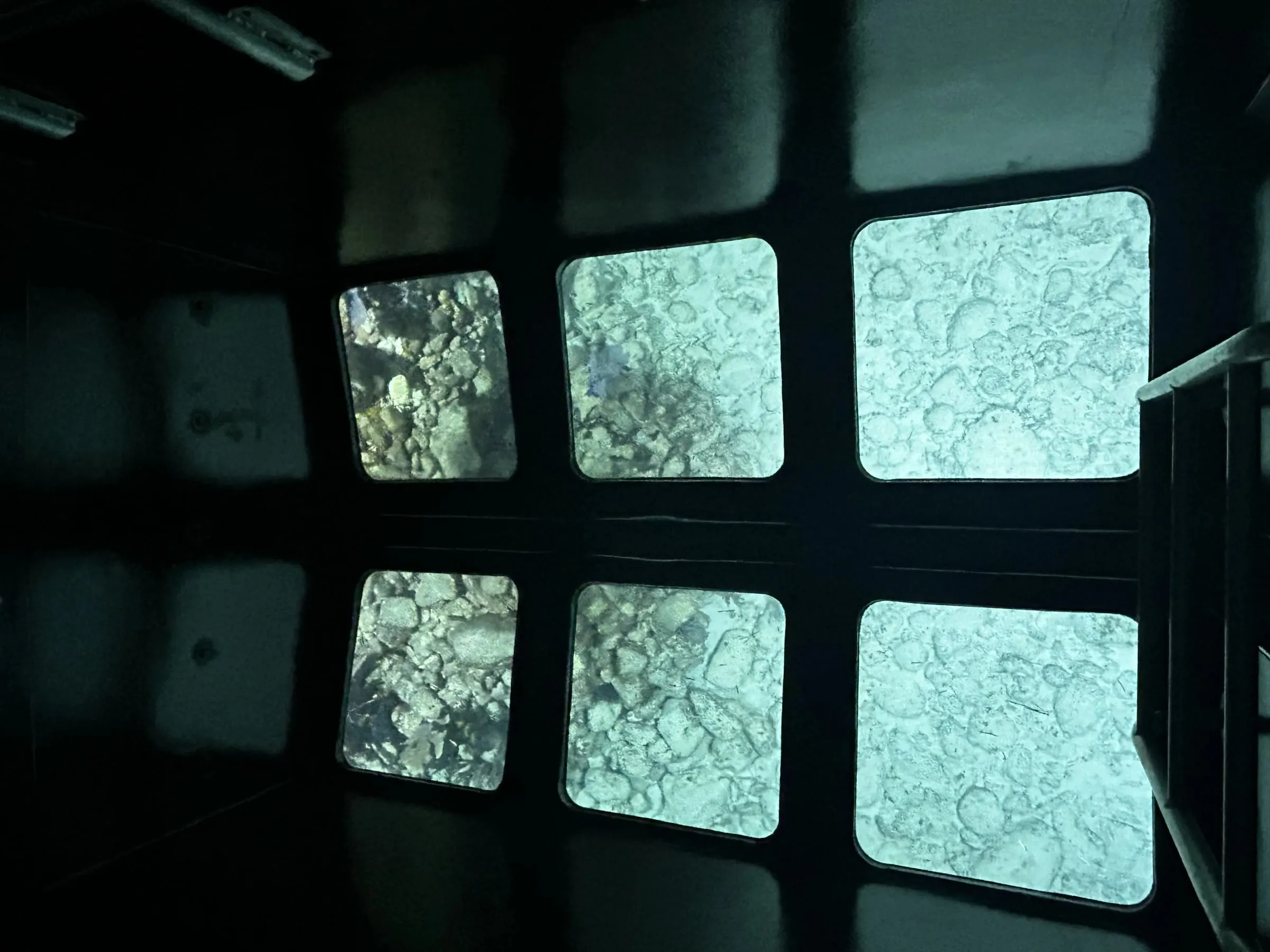
Glass Bottom Boat Tour Florida Wildlife: Discover Fascinating Marine Life in the Florida Keys
The allure of exploring the diverse marine ecosystems of the Florida Keys captivates adventurers and nature enthusiasts alike. Our Glass Bottom Boat Tour offers a unique opportunity to witness the vibrant undersea life without getting wet. Through the transparent glass bottom of our vessel, guests can connect with Florida’s marine wildlife while learning about the ecological roles these species play in their surroundings. As you embark on this unforgettable journey, you’ll encounter a variety of marine species, their habitats, and the importance of conservation efforts. This article will delve into the fascinating marine life you’ll likely see, the significance of coral reefs, and how our tours elevate the educational experience. Join us in uncovering marine wonders!
As this article explores, the appeal of glass-bottom boat tours, like those found in Florida, has a rich history as an eco-tourism attraction.
Silver Springs Glass-Bottom Boats: History of Florida Eco-Tourism
How can an old-fashioned tourist gimmick, such as the glass-bottom boat, compete with the cyberspace spectacles and multi-media extravaganzas so readily available today? My barely nine-year-old daughter is already a seasoned veteran of Space Shuttle launches, the Museum of Science, IMAX surround-sound movies, Disney and Busch Gardens virtual reality rides, all supplemented with a daily diet of DVDs and video games. What fascination can plying across the river, peering down at aquatic life through a transparent pane of glass encased in the bottom of a small boat hold for sensation saturated and technologically savvy tourists of the twenty-first century?Figure 1At the turn of the twentieth century, however, much of the appeal of Silver Springs (Florida’s oldest tourist, theme park) and the glass-bottom boat tour was not unlike the interest that Space Shuttle launches and IMAX movies possess for many tourists today.Through the looking glass of Silver Springs: Tourism and the politics of vision, 2004
Marine Species and Their Ecological Significance
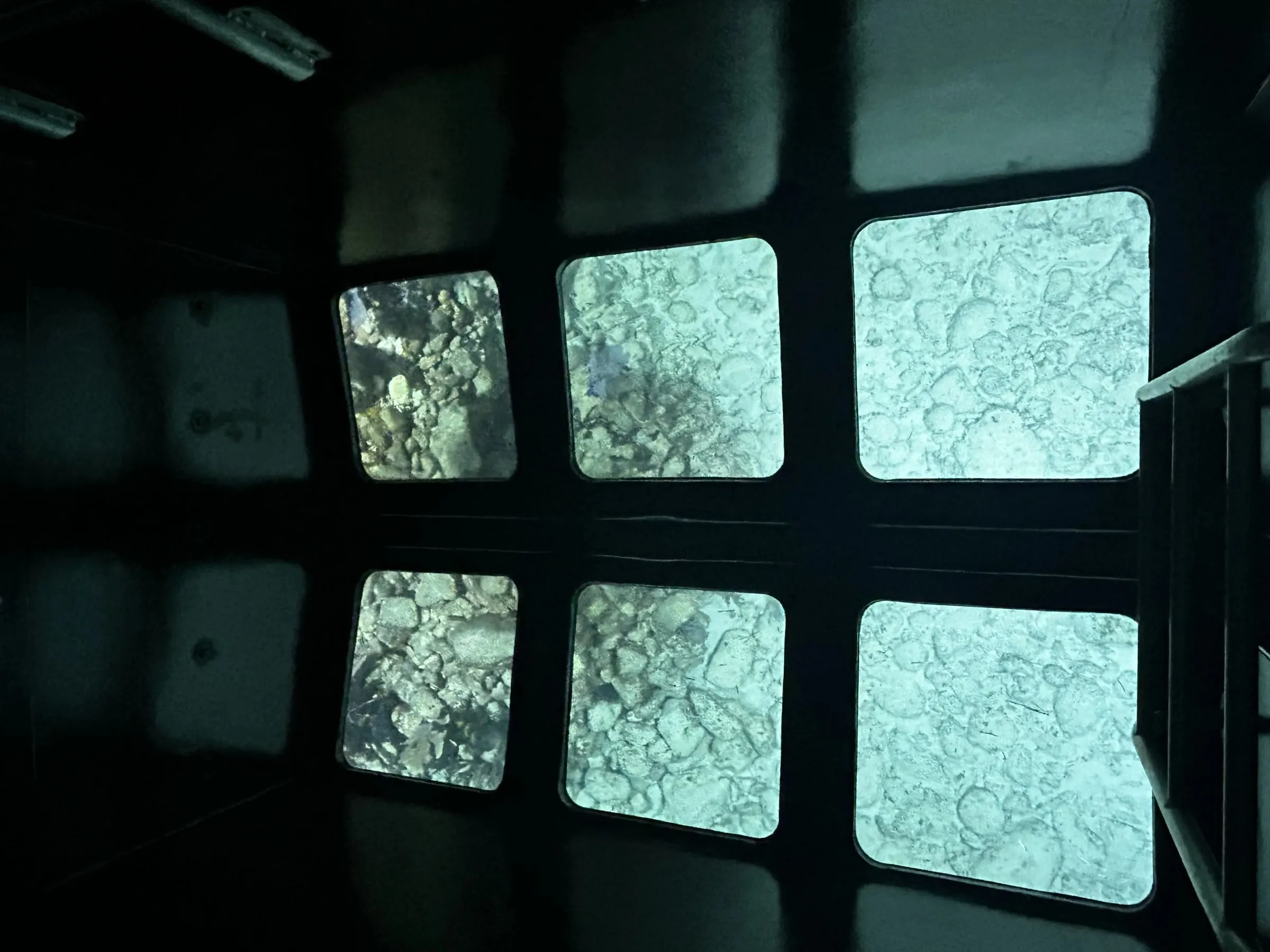
The Florida Keys are renowned for their rich marine biodiversity. Guests on our Glass Bottom Boat Tours have the chance to observe various species, each playing a vital role in maintaining the ecosystem’s health and balance. This section will explore some key marine life including tropical fish, sea turtles, dolphins, and more.
Tropical Fish
Many tropical fish species thrive within Florida’s coral reefs, offering vibrant sights for viewers. Parrotfish and Angelfish are common species encountered during our tours. These fish are integral to reef health; for instance, parrotfish graze on algae, keeping it in check and allowing coral to flourish, while angelfish contribute to the cleaning process of the reef by feeding on parasites.
Coral Formations
Coral formations are critical to marine ecosystems, acting as biodiversity hotspots that provide habitat and food for numerous species. Different types of corals like brain and staghorn corals can be observed during our tours. Corals are significant indicators of ocean health; their presence suggests a thriving ecosystem, making them essential to study and protect.
Sea Turtles
In the waters around the Florida Keys, sea turtles such as the Loggerhead and Green Sea Turtle can be seen grazing on seagrass beds. These species play a fundamental role in maintaining the health of underwater vegetation. By controlling algae growth, sea turtles help preserve the balance of their habitats, making their sighting on our tours particularly special.
Dolphins
Dolphins are not only a delight to watch but also play crucial roles within marine ecosystems. Guests frequently witness these intelligent creatures interacting with other species, showcasing behaviors like social swimming and coordinated hunting. Their presence indicates a healthy marine environment, as they often follow schools of fish, helping maintain population balance.
Rays and Sharks
Encounters with rays and sharks are common during our tours. Southern Stingrays and Nurse Sharks exemplify species often witnessed by our guests. These predators play a vital role in the food chain, helping to regulate fish populations and maintain the overall health of the ecosystem.
Invertebrates
The diversity of invertebrates in Florida’s waters also fascinates our guests. Species like Spiny Lobsters and Octopus are commonly seen and contribute uniquely to marine life balance. Lobsters serve as important prey for larger animals, while octopuses are known for their intelligence and ability to adapt, playing multiple roles in their habitats.
Nighttime Viewing
Experience the enchanting underwater world at night during our special nighttime tours. This unique viewing showcases different species that are active after sunset, providing guests with a chance to see marine life that typically eludes daytime viewers. Equipped with LED lights, we create an immersive experience that highlights the nighttime behaviors of marine creatures, such as the bioluminescent forms of certain jellyfish.
Ecological Significance of Coral Reefs
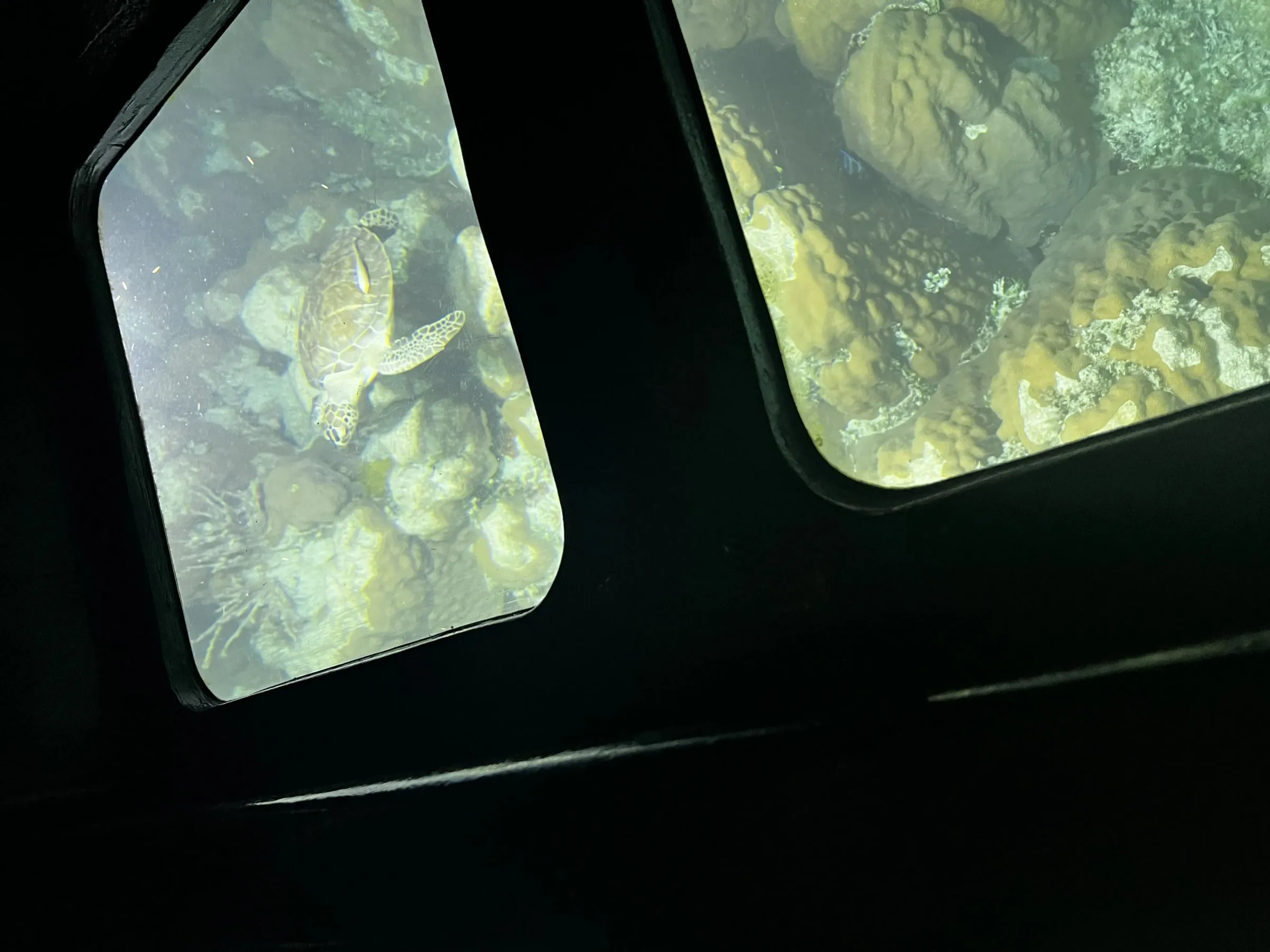
Coral reefs serve as crucial ecosystems that support a vast array of marine life. They function as protective barriers against storm surges, reducing coastal erosion while providing habitats for diverse species. Additionally, reefs act as indicators of ocean health, signaling changes in environmental conditions caused by warming waters and pollution. Understanding their ecological significance is vital for conservation efforts to sustain marine biodiversity.
The Florida Keys are particularly unique for their Caribbean-like marine environments, featuring diverse ecosystems such as coral reefs, mangroves, and seagrass beds, unparalleled in the continental United States.
Florida Keys: Unique Caribbean Marine Ecosystems & Biodiversity
South Florida is a unique enclave of the Caribbean thanks to the nexus of geography and environmental factors. Tropical mangrove, sea grass, coral reef epifaunal and infaunal sedimentary communities are common from Stuart on the east coast to Tampa Bay on the west coast. Florida is the only state in the continental United States to have such an ecosystem in its coastal waters. Climate and hydrodynamic features support a variety of plants and animals. The Florida Keys are the most Caribbeanlike region in Florida.
A perspective on the biology of Florida Keys coral reefs, A Szmant, 2004
What Marine Creatures Will You See on Our Florida Keys Glass Bottom Boat Tour?
Guests can expect to encounter an array of marine creatures during your journey with us. Our tours typically highlight: why a glass bottom night tour
- Tropical Fish: Including Parrotfish and Angelfish.
- Corals: Such as brain and staghorn corals that form beautiful underwater structures.
- Sea Turtles: Typically, Loggerhead and Green turtles are seen grazing and swimming gracefully.
- Dolphins: Often spotted swimming alongside the boat, interacting socially.
- Rays and Sharks: Including Southern Stingrays and Nurse Sharks as they patrol their territory.
This diversity showcases the rich marine life surrounding the Florida Keys, making for an unforgettable experience.
How Do Sea Turtles and Coral Reefs Enhance Your Viewing Experience?
Observing sea turtles and coral reefs enhances the overall experience of our tours. The presence of these species creates opportunities for guests to learn about their behaviors and ecological significance. Educational discussions around sea turtle interactions with marine vegetation and the vital roles coral reefs play reinforce our commitment to conservation.
When Is the Best Time to Experience Marine Wildlife on Our Glass Bottom Tours?
The best time to experience marine wildlife in the Florida Keys varies by species. Generally, peak viewing occurs during summer months when marine life is most active. Additionally, early morning tours provide excellent visibility and often coincide with the vibrant activity of fish and other wildlife. We also recommend shoulder seasons for fewer crowds and enhanced wildlife interactions.
How Does Our Eco-Friendly Glass Bottom Boat Tour Support Marine Conservation?
Our eco-friendly Glass Bottom Boat Tours prioritize marine conservation efforts through educational outreach and funding initiatives. We emphasize sustainable practices, ensuring minimal disturbance to marine ecosystems while advocating for preservation efforts. Every tour contributes to local conservation projects aimed at protecting our precious marine environments.
Why Is Our Glass Bottom Boat Tour the Best Family-Friendly Marine Life Adventure in the Florida Keys?
Our Glass Bottom Boat Tour is designed to be accessible and engaging for all ages. Families appreciate the informative and exciting atmosphere, where children can learn about marine life in a safe environment. We encourage hands-on learning experiences, making it an ideal adventure for parents and children alike.
What Safety Measures Ensure a Secure Tour for All Ages?
Safety is our top priority during tours. We utilize stabilization technology to ensure comfort while on the water. Our crew is trained in emergency protocols, ensuring swift responses in case of unexpected situations. Additionally, the Glass Bottom Boat is designed with accessibility features, providing a secure experience for guests of all ages.
What Educational Activities Do We Offer for Kids and Beginners?
We offer a variety of educational activities tailored for kids and newcomers to marine exploration. These include interactive learning opportunities that engage children with marine biology concepts. Informative sessions are conducted during tours, allowing guests of all ages to increase their understanding of the marine world.
Which Frequently Asked Questions Do Visitors Have About Marine Life and Tour Details?
Visitors often have questions about marine life and tour logistics. Common inquiries include:
- What species are most commonly spotted?: Guests often inquire about the marine species they might see on tours.
- Are there safety measures for children?: Inquiries about safety protocols and family-friendly features are frequent.
- What should we bring on the tour?: Guests are encouraged to ask about necessary items to prepare for the tour.
Answering these FAQs helps ensure an enjoyable and informative experience for all participants.