
What Marine Life You’ll Spot on a Florida Keys Glass Bottom Boat Tour
What Marine Life You’ll Spot on a Florida Keys Glass Bottom Boat Tour: Discover Coral Reef Species and Eco-Tourism Experiences
By Brian McCadie, Glass Bottom Boat Tours
Exploring the vibrant marine ecosystems of the Florida Keys is an unforgettable experience, particularly through a glass bottom boat tour. These tours offer a unique perspective on the underwater world, allowing visitors to observe a variety of marine life while remaining cool and dry. The Florida Keys are renowned for their biodiversity, featuring stunning coral reefs that support an array of aquatic species. This article delves into the rich marine life you can expect to encounter, the significance of coral reefs, and the vital role of eco-tourism in preserving these treasures. We’ll explore iconic marine animals, the diverse fish species, the breathtaking coral reefs, conservation importance, and practical tips for a successful tour.
Which Iconic Marine Animals Can You See on Florida Keys Glass Bottom Boat Tours?
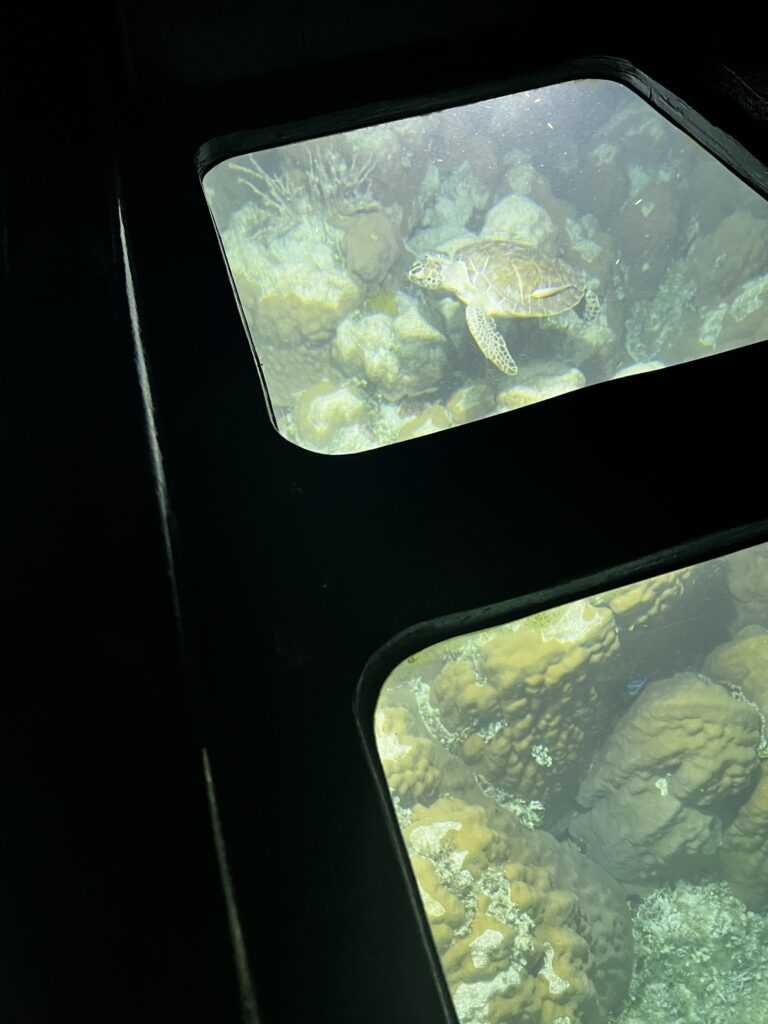
The Florida Keys provide a breathtaking backdrop to an impressive array of marine wildlife. Among the most iconic species commonly sighted during glass bottom boat tours are:
- Dolphins: These playful mammals are frequently spotted swimming alongside the boats, captivating guests with their acrobatics.
- Sea Turtles: Visitors may encounter both green and loggerhead sea turtles, recognized for their calm demeanor and intriguing behavior as they glide through the water.
- Manatees: Depending on the season, there is a chance to see these gentle giants, especially in warmer months when they venture closer to shore.
This vibrant marine life highlights the ecological richness of the Florida Keys and the importance of marine conservation efforts. Glass Bottom Boat Tours offers a unique opportunity to learn more about these species while enjoying a safe and comfortable viewing platform.
What Are the Common Reef Fish Species Observed on These Tours?
A glass bottom boat tour provides insight into the realm of colorful reef fish that make the coral reefs their home. Commonly observed species include:
- Parrotfish: Known for their vibrant colors and beak-like jaws, parrotfish play a crucial role in coral health by grazing on algae.
- Butterflyfish: These small, brightly colored fish are often seen flitting among coral formations, adding a splash of color to the ecosystem.
- Snapper: A key predator in reef systems, snappers contribute to the ecological balance within their habitats.
Understanding these species and their roles enhances the experience of witnessing them in their natural environment. Their visibility during tours emphasizes the diverse and interconnected life forms thriving beneath the surface.
How Do Sea Turtles and Other Larger Wildlife Enhance the Viewing Experience?
Spotting sea turtles and larger marine animals, such as dolphins, elevates the experience of these glass bottom boat tours. These encounters not only thrill tourists but also provide significant educational opportunities, allowing guests to learn about the behaviors and habitats of these creatures.
- Unique Interactions: Watching sea turtles surface for air or dolphins leap from the water creates memorable moments that resonate with nature lovers and families alike.
- Educational Aspects: Educational narratives provided during the tours deepen the understanding of marine biodiversity and conservation efforts.
- Eco-Tourism Contribution: These sightings promote eco-tourism, highlighting the need for community engagement in conservation practices.
Such experiences underscore the crucial balance between marine life observation and sustainable practices aimed at protecting these ecosystems.
What Is Unique About the Florida Keys Coral Reef Ecosystem Viewed During the Tours?
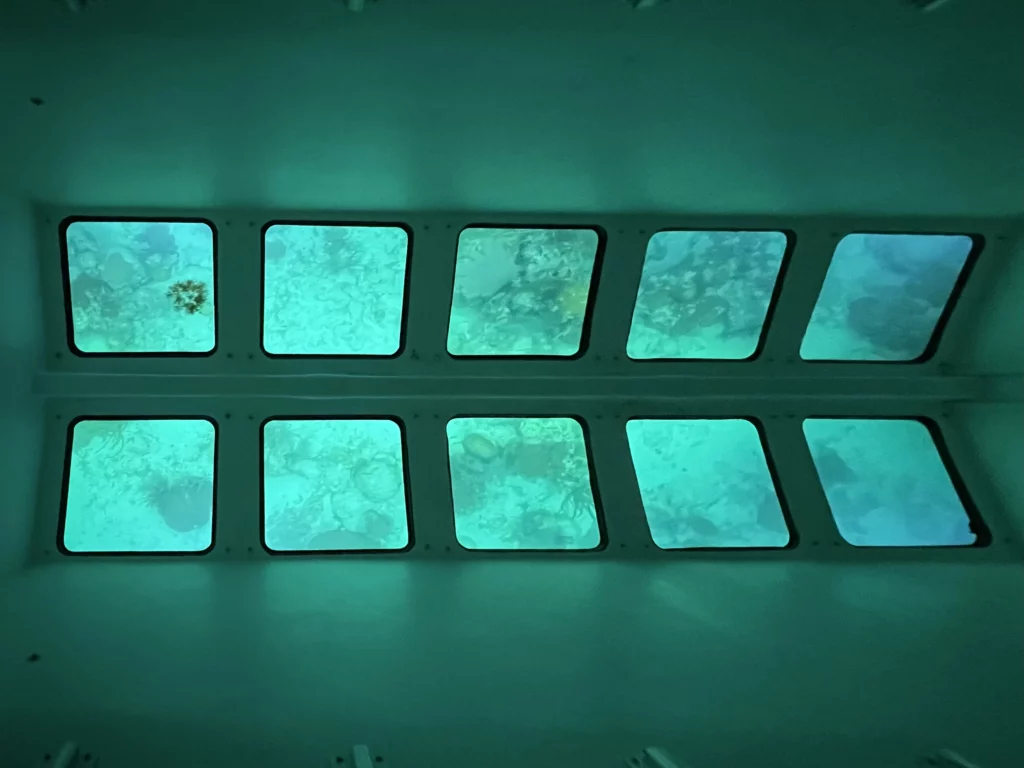
The Florida Keys coral reef ecosystem stands out as one of the most vibrant in the world. Its unique characteristics contribute to an incredible biodiversity that thrives in this region.
- Biodiversity Hotspot: The reefs are home to over 500 species of fish, along with a plethora of other marine life, demonstrating the complex web of life sustained by these underwater structures.
- Ecological Roles: Each species within this ecosystem plays a specific role in maintaining balance, contributing to the health of the reefs through various interactions, such as predator-prey relationships and symbiotic partnerships.
Visiting these reefs through a glass bottom boat offers an unobtrusive way to connect with nature while learning about the importance of preserving such delicate ecosystems.
How Does Coral Reef Biodiversity Support Marine Life Sightings?
Coral reefs function as essential habitats for countless marine species, and their biodiversity is a key factor in supporting visible marine life.
- Species Interactions: Each species within the coral reef contributes to a balanced ecosystem, facilitating vital interactions such as reproduction and food supply.
- Ecosystem Impact: The health and diversity of coral reefs directly affect the visibility of marine life during tours, as healthy reefs attract a wider range of species.
This integral relationship illustrates the significance of biodiversity in maintaining healthy marine ecosystems that sustain tourism and local economies.
Why Is Coral Reef Conservation Critical for Sustainable Eco-Tourism?
The conservation of coral reefs is essential to ensuring the sustainability of the eco-tourism industry in the Florida Keys. For a comprehensive understanding of reef health and protection strategies, it’s beneficial to explore resources on NOAA’s Coral Reef Conservation Program.
- Supporting Marine Biodiversity: Preserving these critical habitats ensures that the marine species that attract visitors continue to thrive.
- Educational Component: Tours often include educational elements on conservation efforts, fostering a sense of stewardship among participants.
- Community Engagement: Involving local communities in conservation initiatives enhances the awareness and appreciation of these natural wonders.
By prioritizing conservation, eco-tourism can thrive, providing essential resources for future generations to enjoy the beauty of the Florida Keys.
How Do Glass Bottom Boat Tours Offer Safe and Accessible Marine Life Viewing?
Glass bottom boat tours are designed to provide a safe and enjoyable experience for all visitors, making marine life viewing accessible to a broad audience. Safety is paramount, and tours adhere to strict regulations, much like those detailed by the United States Coast Guard for maritime operations.
- Safety Equipment: Tours are equipped with safety gear, including life jackets and first aid kits, ensuring safety during the excursion.
- Accessibility Features: These boats are also designed with accessibility in mind, accommodating individuals with various mobility needs.
- Emergency Procedures: Trained staff are ready to respond to any emergencies, allowing everyone to relax and enjoy the stunning underwater scenery.
This commitment to safety and accessibility allows all visitors, including families and those with disabilities, to appreciate the underwater world comfortably.
What Safety Features Ensure a Family-Friendly Boat Tour Experience?
Family-friendly boat tours incorporate numerous safety features to provide peace of mind for parents and caregivers.
- Life Jackets for All Ages: Every passenger is provided with a properly fitted life jacket, accommodating guests of all sizes.
- Crew Training: Professional crew members undergo comprehensive safety training to handle emergencies and ensure a safe journey.
- Emergency Protocols: Established procedures guarantee a swift response to any unforeseen events, effectively prioritizing the safety of guests during the adventure.
These measures ensure families can focus on enjoying their educational experience without worry.
How Do These Tours Compare to Snorkeling and Diving for Marine Wildlife Access?
When considering marine wildlife observation, glass bottom boat tours offer unique advantages compared to snorkeling and diving. While all offer incredible views, understanding their differences can help choose the best experience. For instance, exploring the biodiversity of the Florida Keys is a highlight for many travelers, whether they engage with reefs through various means.
- Viewing Experience Comparisons: Unlike snorkeling or diving, where water clarity and comfort are variables, glass bottom boats provide guaranteed visibility of the marine life beneath.
- Accessibility Differences: Tours allow non-swimmers and families with young children to safely view marine species without the need for extensive gear or training.
- Environmental Impacts: Glass bottom tours minimize disturbance to marine habitats compared to traditional snorkeling and diving, which can potentially harm the delicate reef structure.
This makes glass bottom boat tours a great choice for first-time visitors and those who might be uncomfortable in the water.
When Is the Best Season to Spot Diverse Marine Animals on Florida Keys Glass Bottom Tours?
The best time for marine wildlife visibility largely depends on ecological patterns and visitor frequency. Understanding Florida’s marine environment can also involve learning about its protected areas, such as the many that fall under the purview of the Florida Wildlife Commission.
- Optimal Months for Visibility: The summer months, particularly June through September, are ideal for observing a wide range of marine life, including returning sea turtles and playful dolphins.
- Best Times of Day: Early morning tours often yield the best visibility for marine sightings, as animals are more active during this time.
- Seasonal Patterns: Each season brings different wildlife to the reefs, making repeated visits throughout the year rewarding for avid marine enthusiasts.
Understanding the seasonal dynamics of marine life enhances the chances of seeing diverse species during your tour.
What Are Essential Visitor Tips and Booking Information for Glass Bottom Boat Tours?
To ensure a memorable and successful experience, prospective guests should consider a few essential tips and booking recommendations.
- How to Book a Tour: Reservations can typically be made online, offering flexible scheduling options that accommodate varied visitor needs.
- What to Bring: Items such as sunscreen, hats, and water are essential for staying comfortable during your tour.
- Timing Advantages: Booking early in the day or during off-peak seasons can enhance the overall experience, as these tours often attract fewer crowds.
Preparation is essential for proactive guests looking to optimize their enjoyment of the underwater wonders.
How Do You Reserve a Tour and What Are Pricing Options?
Reserving a glass bottom boat tour is straightforward and allows tourists to engage directly with the local marine ecosystem. Many tour operators provide specific details on their websites, often including information on group bookings and park entrance fees if applicable to the region.
- Booking Process and Costs: Tours are priced competitively, generally starting at around $40 per person, making it an affordable adventure for all.
- Tour Duration: Standard tours typically last between two to three hours, allowing ample viewing time.
- Seasonal Pricing Variations: Prices may vary by season, with peak tourist months generally seeing higher rates.
Understanding the reservation process and associated costs is vital for ensuring a seamless experience.
What Should Visitors Know About Eco-Tourism Etiquette and Environmental Impact?
Being a responsible tourist is essential for preserving the beautiful ecosystems of the Florida Keys. Adhering to eco-tourism principles helps maintain the delicate balance of marine life and habitats for future visitors.
- Respecting Wildlife: Visitors should observe marine life from a distance to avoid disturbing their natural behaviors and habitats.
- Following Guidance: Tour guides often provide essential instructions on behaving responsibly, which guests are encouraged to follow closely.
- Supporting Conservation Efforts: Using eco-friendly products and supporting local conservation initiatives help protect the ecosystems encountered during tours.
By adopting eco-tourism practices, visitors contribute to the ongoing sustainability efforts vital for the health of marine environments.
This overview highlights the diverse marine species commonly encountered during your adventure and their distinct characteristics. With a better understanding of these animals, visitors can enjoy the underwater spectacle even more.