
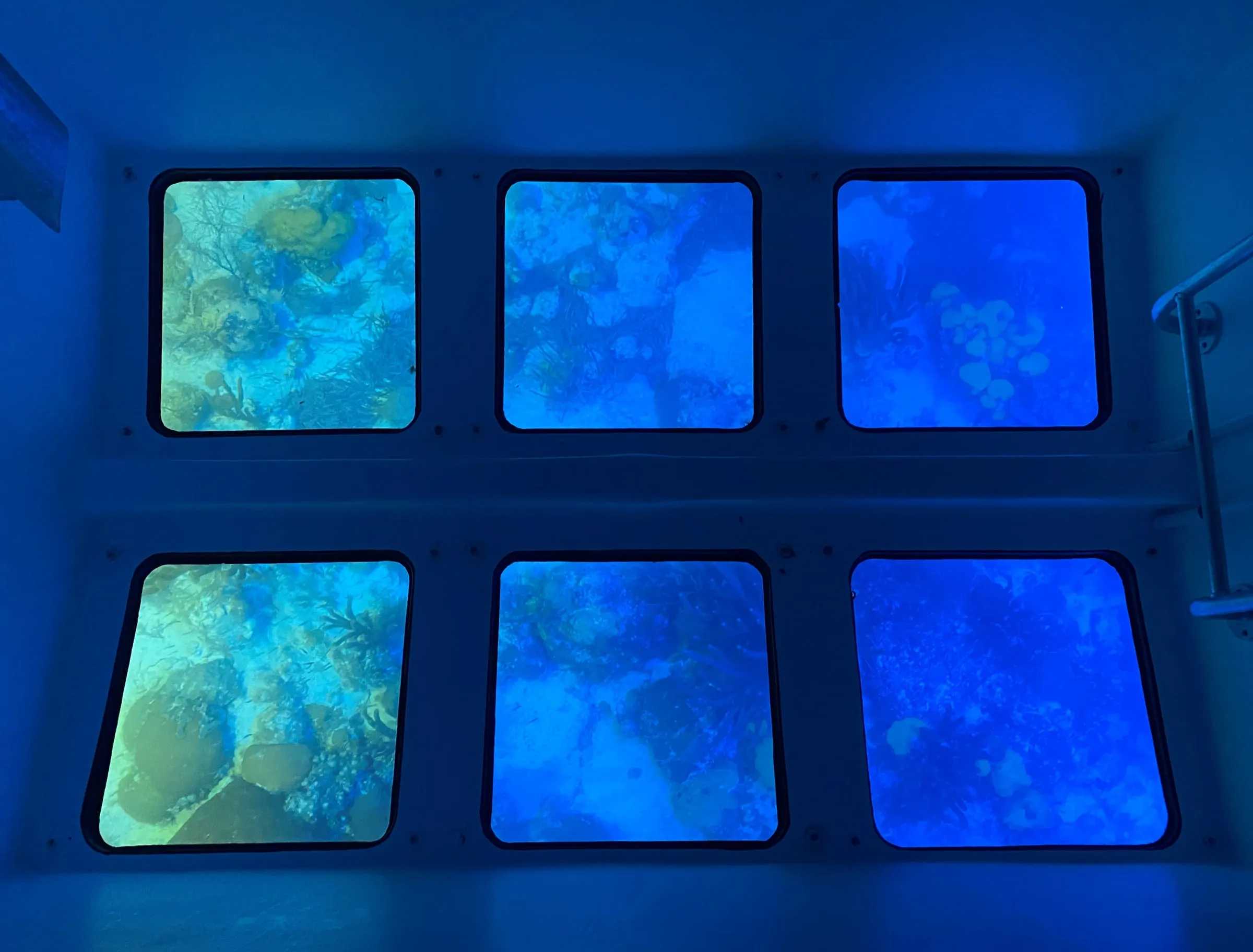
What to Expect on Professional Marine Life Tours
Planning a trip to Islamorada and wondering which activities are truly worth your time – especially if you’re traveling with kids or grandparents? When it comes to exploring the Florida Keys, marine life tours are often at the top of the list, but not all excursions are created equal. Whether you are a seasoned traveler or planning your first family getaway to the Florida Bay, understanding what makes a professional tour stand out is the key to a stress-free adventure.
When we step onto a boat for a professional marine excursion, we aren’t just taking a ride; we’re entering a living classroom. The best marine life tours are led by expert naturalist guides – often marine biologists or environmental educators – who transform a simple boat trip into a deep dive into ocean ecology. These experts share insights into animal behavior, local history, and the delicate balance of the reef. They don’t just point at a fish; they explain its role in the ecosystem, its hunting patterns, and how it interacts with the coral.
Safety is always our top priority. Before the engines even start, we provide a thorough safety briefing. We ensure that every guest, from the littlest explorer to the grandparents, feels secure and informed. For those traveling with children or individuals who aren’t comfortable in the water, professional tours offer a way to see the “wild side” of the ocean without ever getting wet. This accessibility is what makes these trips so special – everyone gets to participate in the discovery.
Many tours now include interactive elements to engage young minds. You might find “floating classrooms” equipped with video microscopy to look at tiny plankton or interactive labs where you can learn about the local ecosystem. If you’re curious about what you might spot on your next trip, you can read more info about marine life sightings to prepare for your adventure.
Spotting Giants on Marine Life Tours
There is nothing quite like the rush of seeing a thirty-foot whale launch its twenty-thousand-pound body into the air before sliding gracefully back into the depths. This behavior, known as breaching, is one of the most spectacular sights on marine life tours. Depending on where you are in the world, you might encounter different “giants” of the sea:
- Humpback Whales: Famous for their complex songs and acrobatic breaches. They are often seen in migratory corridors during the cooler months.
- Gray Whales: These incredible migrators can grow to 49 feet long and weigh over 80,000 pounds, traveling thousands of miles annually between feeding and breeding grounds.
- Orcas (Killer Whales): Highly intelligent social hunters that are actually the largest members of the dolphin family, often traveling in tight-knit family pods.
Seeing these animals in their natural habitat is a privilege that supports scientific research on whale populations. Many tour operators partner with research organizations to track sightings and monitor the health of these magnificent populations, turning every ticket holder into a contributor to marine science.
Tropical Wonders and Coral Reefs
In warmer waters, like those surrounding Islamorada and the Florida Bay, the focus shifts to the vibrant “rainforests of the sea” – the coral reefs. On these marine life tours, the water is often crystal clear, allowing us to see sea turtles gliding through the seagrass, manatees surfacing for a breath, and thousands of colorful tropical fish darting among the coral heads.
Coral health is a major focus of our educational commentary. We talk about how the reef protects our coastlines from storm surges and provides a home for a quarter of all marine species. To get a head start on identifying the fish you’ll see, explore our reef viewing guides. Understanding the difference between a Parrotfish and a Sergeant Major fish adds a whole new layer of enjoyment to your viewing experience.
Choosing the Right Vessel for Your Adventure
The type of boat you choose can make or break your experience, especially if you’re prone to motion sickness or traveling with small children. For many families, the fear of “getting seasick” is the number one reason they hesitate to book a boat trip.
| Vessel Type | Comfort Level | Accessibility | Best For |
|---|---|---|---|
| Glass Bottom Boat | High (Stable & Dry) | Excellent | Families, non-swimmers, and seniors |
| Covered Cruiser | High (Heated/AC) | Good | All-weather viewing and large groups |
| Zodiac / RIB | Low (Bumpy/Wet) | Limited | Adventure seekers and fast transit |
| Eco-Sailing | Moderate (Quiet) | Moderate | Relaxed, low-impact nature lovers |
Vessel stability is a game-changer for many travelers. In Islamorada, we utilize Seakeeper technology – a sophisticated gyroscopic stabilization system that eliminates up to 95% of boat roll. By spinning a flywheel at high speeds inside a vacuum, the Seakeeper creates a powerful righting torque that counteracts the motion of the waves. This means even on days when the Atlantic has a bit of a “chop,” our guests enjoy a smooth, stable platform for viewing the reef. It transforms the experience from a “hang on for dear life” ride into a relaxing afternoon on the water.
Educational Benefits of Marine Life Tours
We believe that when people experience the ocean, they are more motivated to help preserve it. Marine life tours offer a unique opportunity to learn about taxonomy and marine biology in a way that sticks. Instead of reading a textbook, you are seeing the biological principles in action.
For instance, did you know that all dolphins are actually whales? They belong to the Odontoceti (toothed whale) suborder under the Cetacea order. Naturalists often use these trips to explain the difference between the Delphinidae family (dolphins) and other whale species. Some tours even pull up “tiny giants” like plankton to view under a microscope, showing how the smallest organisms support the largest whales on the planet. This microscopic world is the foundation of the entire marine food web, and seeing it up close is a highlight for many young students.
Popular Destinations for Marine Life Viewing
While we are partial to the stunning waters of the Florida Keys, the world is full of incredible places to see marine wildlife.
- Florida Keys (Islamorada & Key Largo): Famous for the only living coral barrier reef in the continental United States. Expect dolphins, manatees, and tropical fish.
- British Columbia: A hotspot for orcas, humpbacks, and sea lions along a dramatic, rugged coastline.
- Oregon Coast: Known for the massive gray whale migrations and historic lighthouses.
- Nova Scotia: A prime location for spotting rare North Atlantic right whales and seabirds.
If you are looking to branch out even further, you can discover global nature expeditions that focus on conservation-led travel.
How Marine Life Tours Support Conservation
Responsible marine life tours do more than just show you the sights; they actively work to protect the ocean. For example, some organizations have a “Traveler Plastic Pollution Offset Program.” For each traveler that joins a trip, they fund the removal of 200 pounds of litter from the marine environment.
Tours also contribute by:
- Providing Research Data: Captains and naturalists record sightings of endangered species to help scientists track populations.
- Funding Restoration: A portion of ticket sales often goes toward salmon protection, habitat restoration, and coral outplanting.
- Education: By teaching thousands of students annually, these tours inspire the next generation of ocean stewards.
Frequently Asked Questions about Marine Life Tours
Are dolphins actually whales?
Yes! This is one of our favorite facts to share. In taxonomy, all dolphins are whales because they fall under the Cetacea order. Specifically, they are part of the Delphinidae family, which are “toothed whales.” Interestingly, the Orca (Killer Whale) is actually the largest member of the dolphin family. This often surprises guests who assume whales and dolphins are entirely separate categories of animals.
What is the best time of year to go?
This depends on what you want to see. In the Florida Keys, the summer months often bring the calmest, clearest water – perfect for reef viewing and spotting manatees in the Florida Bay. For whale watching in other regions, you’ll want to time your trip with migration patterns (usually spring or fall). We always recommend checking local weather policies, as professional operators will cancel or reschedule tours if conditions aren’t safe or comfortable. Safety and guest comfort are always the priority over sticking to a rigid schedule.
Are these tours suitable for non-swimmers and children?
Absolutely. In fact, that is the primary reason many people choose a glass bottom boat. It provides a stable, safe platform where you can see everything the reef has to offer without the stress of snorkeling or swimming. We provide all necessary safety gear and ensure the environment is welcoming for all ages. It’s the perfect solution for multi-generational families where some members want to see the fish but others aren’t comfortable getting in the water.
What should I bring on a marine life tour?
Even on a stable glass bottom boat, we recommend bringing polarized sunglasses to reduce glare on the water, a light jacket (it can get breezy on the move), and plenty of sunscreen. If you are on a tour with a glass viewing area, you don’t need any special gear – just your curiosity! Most professional tours provide water and light snacks, but it’s always a good idea to check your specific tour’s amenities before heading to the docks in Islamorada or Key Largo.
Conclusion
Whether you are watching a humpback whale breach in the distance or peering through a glass floor at a sleeping nurse shark, marine life tours offer a window into a world most people never get to see. These experiences foster a deeper connection to our planet and remind us of the incredible biodiversity that exists just beneath the waves.
If you’re planning a trip to the Florida Keys, we invite you to join us in Islamorada. We are proud to offer the only Seakeeper-stabilized glass bottom boat in the region, ensuring your family has the smoothest ride possible. We also offer the only night eco-tours in Islamorada, using specialized lighting to reveal the nocturnal wonders of the reef that stay hidden during the day. Seeing the coral “bloom” at night is a completely different experience than a daytime tour.
Ready to see the reef in a whole new light? Check availability for your Islamorada marine life tour and let us show you the magic beneath the surface. Our team is ready to welcome you aboard for an educational, safe, and unforgettable journey through the Florida Bay and beyond.